

Sấy khô đúng cáchTPV (Lưu hóa nhựa nhiệt dẻo)hạt trước khi xử lý (đùn hoặc ép phun) là điều cần thiết để ngăn ngừa khuyết tật bề mặt, tạo bọt và thủy phân, mặc dù TPV ít hút ẩm hơn nylon hoặc polyester.
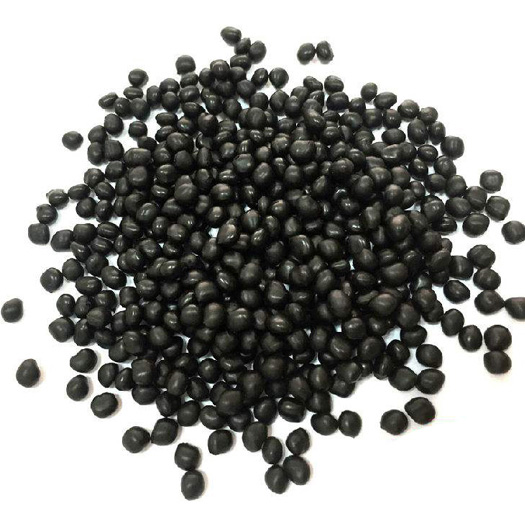
Dưới đây là hướng dẫn từng bước dựa trên các phương pháp hay nhất trong ngành để sản xuất dải thời tiết ô tô và con dấu.
1. Bạn có thực sự cần làm khô TPV không?
Nguyên tắc chung:
Hầu hết các lớp TPV(ví dụ: Santopreneh, Sirlink) Nàykhông hút ẩmnhưng có thể hấp thụ độ ẩm bề mặt nếu được bảo quản không đúng cách.
Cần sấy khô nếu:
Túi có dấu hiệu tiếp xúc với nước hoặc ngưng tụ.
Vật liệu đã được bảo quản trong thùng chứa mở > 2 giờ trong điều kiện ẩm ướt (>60% RH).
Thiết bị xử lý có các vấn đề liên quan đến độ ẩm (vết nứt, bong bóng, bề mặt gồ ghề).
Bạn đang ép đùn cùng với vật liệu hút ẩm (ví dụ: chất mang PP với TPV môi).
Mẹo:Nhiều nhà cung cấp ô tô cấp 1TPV khô phòng ngừađể loại bỏ mọi rủi ro, mặc dù các bảng dữ liệu thường trạng thái "thông thường không cần thiết."
2. Thông số sấy khuyến nghị cho TPV
Giá trị tham số
Nhiệt độ80–90°C(176–194°F)
Thời gian2–4 giờ(điển hình là 3h)
điểm sương-30°C hoặc thấp hơn (máy sấy hút ẩm)
Độ ẩm tối đa trước khi chế biến<0,08% (800 trang/phút)
Thận trọng:Không vượt quá100°Cđể biết thêm hơn 1 giờ, vì điều này có thể gây ra hiện tượng mềm hóa, kết tụ hoặc xuống cấp một phần của giai đoạn PP.
3. Phương pháp sấy
MỘT.Máy sấy phễu (Hút ẩm)- Khuyến khích
Tốt nhất cho sản xuất liên tục.
Sử dụng mộtmáy sấy hút ẩm vòng kínvới điểm sương giám sát.
Đặt luồng khí nóng để đảm bảo nhiệt độ đồng đều trên toàn bộ phễu.
B.Lò khay (Sấy hàng loạt)
Trải các hạt thành một lớp mỏng (25 mm / 1 inch sâu).
Không đổ đầy khay – hơi ẩm không thể thoát ra khỏi luống sâu.
Khuấy cứ sau 30 phút nếu có thể.
C.Máy sấy chân không- Không bắt buộc
Nhiệt độ thấp hơn (70–80°C) và thời gian ngắn hơn (1–2h).
Hữu ích cho TPV nhạy cảm với nhiệt hoặc nghiền lại.
Đắt hơn, thường không cần thiết đối với TPV tiêu chuẩn.
4. Quy trình sấy khô từng bước
Bước 1 – Kiểm tra độ ẩm trước khi sấy
Sử dụng mộtmáy phân tích độ ẩm(mất đi khi sấy khô) hoặcmáy đo điện dungnếu có sẵn. Mục tiêu:<0,08% (800 trang/phút).
Bước 2 – Làm nóng máy sấy trước
Mang phễu hoặc lò nướng của bạn đến80–85°Ctrước khi thêm TPV.
Bước 3 – Nạp hạt TPV
Không trộn với bột nghiền lại chưa rõ lịch sử độ ẩm.
Bước 4 – Sấy khô trong 3 giờ ở 85°C
Điều chỉnh thời gian dựa trên tải ẩm:
1–2 giờđối với túi khô được bảo quản ở nơi có điều hòa nhiệt độ phòng.
3–4 giờđối với vật liệu từ thùng mở hoặc ẩm ướt môi trường.
Bước 5 – Kiểm tra độ ẩm sau khi sấy
Kiểm tra nhanh:Thực hiện “thử nghiệm thanh lọc”– đùn một lượng nhỏ lượng thông qua gói màn hình (40–60 lưới). Không có vết nứt, bong bóng hoặc hơi nước có nghĩa là khô đủ rồi.
Bước 6 – Giữ khô
Nạp trực tiếp từ máy sấy đến máy đùn/phễu. Giảm thiểu tiếp xúc với môi trường xung quanh không khí trong >15 phút.
5. Điều gì xảy ra nếu bạn không làm khô TPV?
Lỗi Nguyên nhân Hình thức
Bề mặt loang lổ / vệt bạcHơi nước bốc lên từ nước bốc hơi ở khuôn Các vệt dọc theo hướng dòng chảy
Bong bóng / khoảng trống bên trongĐộ ẩm bị mắc kẹt mở rộng dưới nhiệtBong bóng nhìn thấy được trong mặt cắt ngang
Độ bám dính kém (con dấu đồng đùn)Độ ẩm cản trở liên kết giữa TPV và PP cứng Phân tách tại giao diện
Kết cấu bề mặt thôKhoảng trống vi mô xẹp xuống không đều Màu cam đốm bong tróc hoặc mờ
Biến thể sưng phồngSự giãn nở của hơi nước làm thay đổi sự tan chảy lưu biếnKích thước hồ sơ không nhất quán
Trong niêm phong thời tiết ô tô,bong bóng hoặc khoảng trốnglà một người trực tiếp nguyên nhân phế liệu - không thể sửa chữa thẩm mỹ được.
6. Trường hợp đặc biệt
Nghiền lại / TPV tái chế
Diện tích bề mặt nhiều hơn → hấp thụ độ ẩm nhanh hơn.
Khô ở70–75°C trong 2–3 giờ(nhiệt độ thấp hơn để ngăn chặn suy thoái).
Tỷ lệ mài lại tối đa thường là 20–30% đối với phốt bên ngoài.
TPV có chất kết dính hoặc ép xung
Nếu TPV được đúc chồng lên một chất nền (ví dụ: kim loại hoặc nhựa cứng), độ ẩm phải <0,05% để ngăn chặn sự hình thành bong bóng ở bề mặt.
Cấp TPV chống cháy
Có thể có độ ổn định nhiệt thấp hơn. Kiểm tra bảng dữ liệu nhà cung cấp – sấy khô nhiệt độ thường giảm xuốngtối đa 70°C.
7. Những sai lầm thường gặp cần tránh
Sai LầmHậu Quả
Sấy >100°CCác hạt dính vào nhau, chặn phễu.
Sấy khô<70°CKhông hiệu quả – độ ẩm không được loại bỏ.
Quá 4 giờ ở nhiệt độ cao Thay đổi màu sắc, mất độ giãn dài.
Sấy khô trong phễu không cách nhiệt Dạng ngưng tụ khi vật liệu nguội đi vào.
Mở cửa máy sấy trong chu kỳ Không khí ẩm quay trở lại, thiết lập lại quá trình.
8. Danh sách kiểm tra nhanh cho sản xuất
Máy sấy phễu được đặt thành80–85°C
điểm sương≤ -30°C(hoạt động hút ẩm)
Thời gian cư trú≥ 2 giờcho viên tươi
Đã xác minh độ ẩm<0,08%(hoặc kiểm tra thanh lọc sạch)
Hồ sơ nhiệt độ máy đùn bắt đầu≥180°Cvùng tan chảy
Gói màn hình40–60 lướiđể bắt bất kỳ gel bị thoái hóa
Khuyến nghị cuối cùng cho các dòng chống chịu thời tiết ô tô
Làm khô TPV trong 3 giờ ở 85°Ctrong máy sấy hút ẩm, bất kể khiếu nại của nhà cung cấp. Điều này giúp loại bỏ độ ẩm như một biến số, làm giảm phế liệu từ 2–5% và đảm bảo ép đùn không có bong bóng, ổn định kích thước – đặc biệt quan trọng đối với các con dấu có thể nhìn thấy được Loại A như đường kính phẳng hoặc dải thời tiết trang trí.
Trang web này sử dụng cookie để đảm bảo bạn có được trải nghiệm tốt nhất trên trang web của chúng tôi.
 English



 Điện thoại
Bình luận
(0)